International Crassulaceae Network
Main Menu
  • Home
  • Joop van Keppel
  • Revision Walther Echeveria
  • Crassulaceae - General Information
  • Forum - no longer active
  • Recent Updates
  • Comments to recent publications
  • Index Sedum Society Newsletter
  • International Code of Nomenclature for Cultivated Plants
Publications
  • CRASSULACEA
  • THE CACTICIAN
Genera
  • Adromischus
  • Aeonium
  • Aichryson
  • Cotyledon
  • Crassula
  • xCremneria
  • xCremnopetalum
  • Cremnophila
  • xCremnophytum
  • xCremnosedum
  • xCremnovelum
  • Dudleya
  • Echeveria
  • Graptopetalum
  • x Graptophyria
  • xGraptophytum
  • xGraptosedum
  • x Graptovedum
  • xGraptoveria
  • xHylostachys
  • Hylotelephium
  • Kalanchoe
  • xLenopetalum
  • Lenophyllum
  • xLenoveria
  • Monanthes
  • x Moranara
  • Multiple Hybrids
  • Orostachys
  • xPachevedum
  • Pachyphytum
  • xPachysedum
  • xPachyveria
  • Perrierosedum
  • Petrosedum
  • Phedimus
  • Pistorinia
  • Prometheum
  • Pseudosedum
  • Rhodiola
  • Rosularia
  • Sedella
  • xSedeveria
  • Sedum
  • Sempervivum
  • xSetophytum
  • Sinocrassula
  • xTacipetalum
  • xTacisedum
  • Tacitus
  • xTaciveria
  • Thompsonella
  • Tylecodon
  • Umbilicus
  • Villadia
xCremnosedum
  • General Information
  • Species

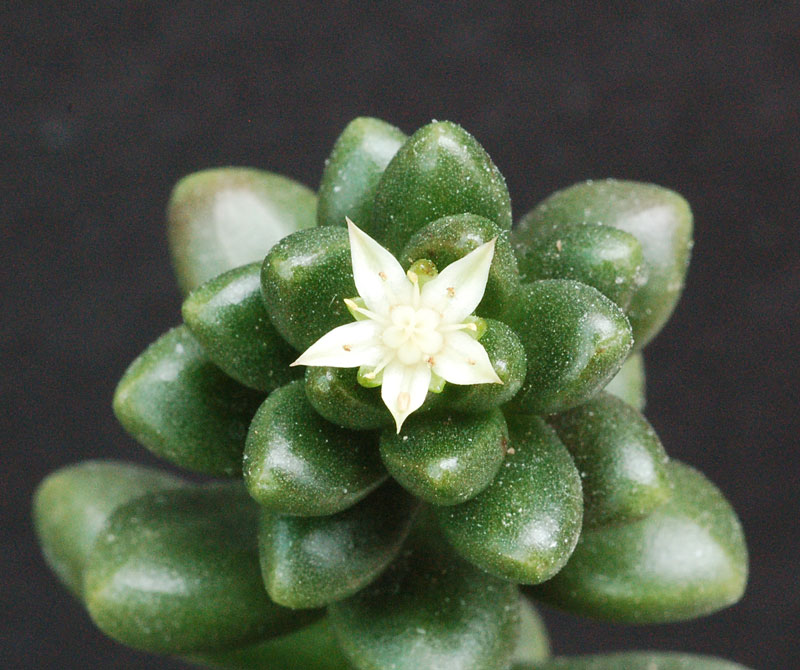
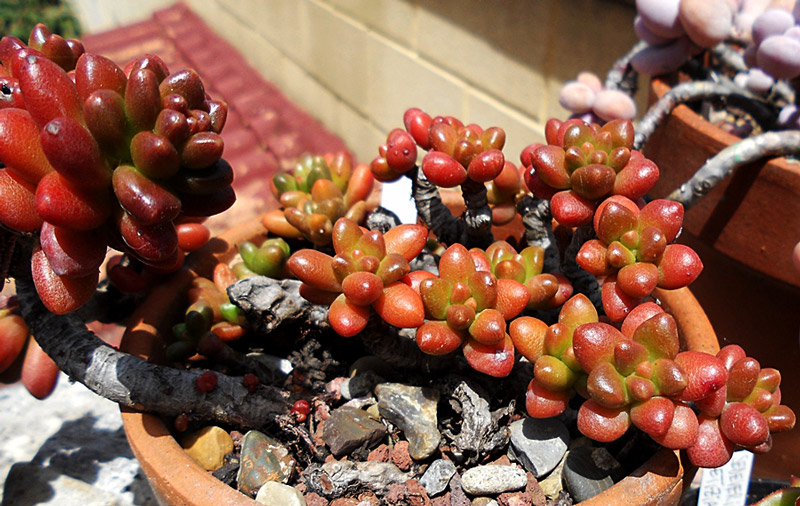
Crocodile

Parentage : Cremnophila nutans x Sedum furfuraceum


A Grim hyrid, distributed as ISI 1641 :


“x Cremnosedum ‘Crocodile’. Mr and Mrs Robert Grim of San Jose, California, have made many interesting hybrids. This one is of Cremnophla nutans and Sedum furfuraceum and is notable for the reptilian-like scaling on the stems. Rooted cuts of several clones of Grim #876.”


Suitable for a hanging basket; in full sun the green leaves turn deep red.
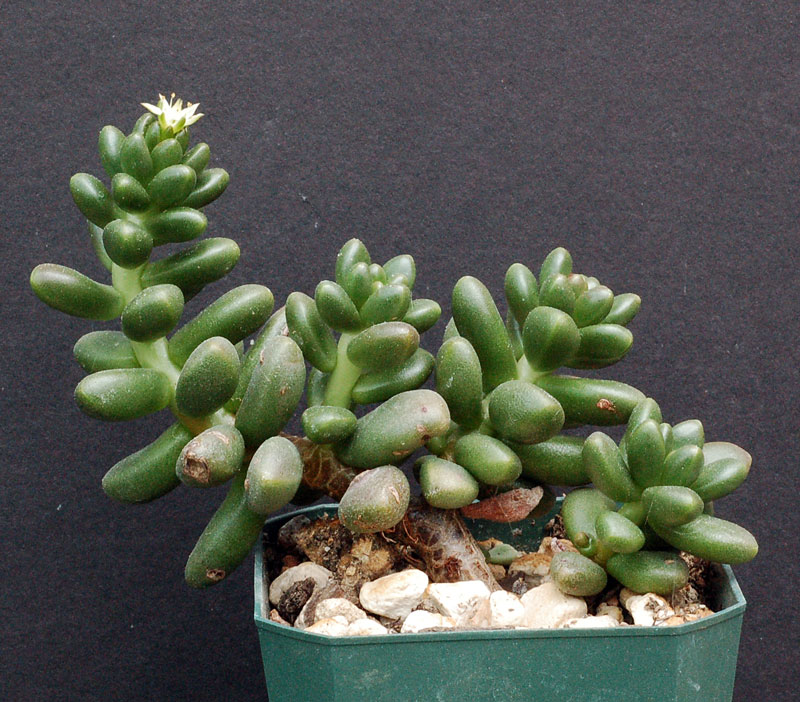
 

Photos Bernie DeChant
Photo Corrado Coccorese

« back